
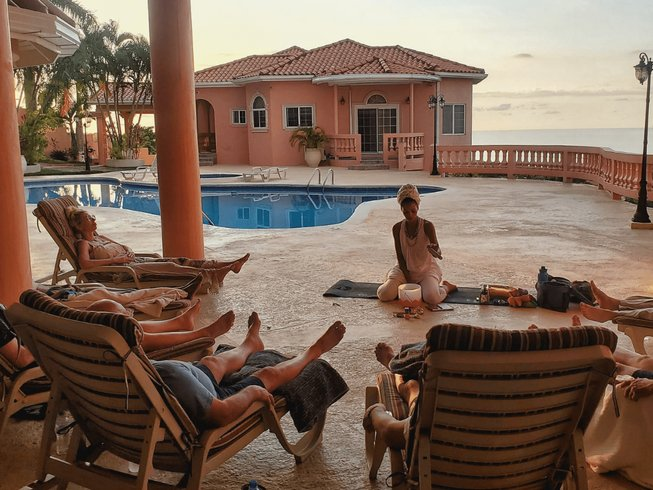
Interest in natural healing and personal growth continues to grow around the world. Many people are now exploring guided experiences that support emotional healing, reflection, and self-discovery. One option that has become popular is a psilocybin retreat Jamaica program. These retreats combine the natural beauty of the Caribbean with guided support from trained facilitators and medical professionals.
For many travelers, choosing a retreat can feel confusing. Laws are different in every country, and not all programs focus on safety or proper preparation. Jamaica offers a clear and legal setting where psilocybin mushrooms are not banned. Because of this legal clarity, many retreat centers focus on structured programs that include health screening, preparation sessions, guided ceremonies, and post-retreat support.
A typical psilocybin retreat lasts about six days and gives participants time to prepare, take part in ceremonies, and reflect on their experiences. With the calm ocean nearby and a peaceful environment, many people find it easier to slow down, focus inward, and work on personal growth.
Why Jamaica Is a Trusted Place for Psilocybin Retreats
Clear Legal Status
One reason Jamaica has become a well-known destination for retreats is its legal environment. The country has never banned psilocybin mushrooms, which means their use and cultivation are allowed. Because of this, retreats can operate openly instead of relying on legal loopholes or unclear rules.
In some places around the world, people must follow complicated regulations or use alternative forms such as truffles instead of mushrooms. Jamaica’s clear approach removes much of that uncertainty. Visitors can focus on the retreat experience instead of worrying about legal issues.
Focus on Safety and Medical Support
Responsible retreat centers place safety first. Before attending, participants usually complete medical and psychological screening forms. These help facilitators understand each person’s health history and ensure the experience is appropriate.
Many programs also work with medical professionals who oversee the process. During ceremonies, trained guides stay with the group and monitor participants. This support helps create a calm environment where people can explore their thoughts and emotions safely.
Small Groups and Peaceful Settings
Most retreats keep group sizes small, often between eight and twelve people. A smaller group allows facilitators to give more attention and support to each participant.
Retreats are often held in quiet coastal locations such as Negril’s West End. These places provide natural beauty, ocean views, and peaceful surroundings. The relaxed setting helps participants disconnect from daily stress and focus on their inner journey.
What to Expect During a Psilocybin Retreat in Jamaica
Preparation Before the Retreat
Preparation is an important part of the experience. Many retreats begin with online meetings several weeks before arrival. These sessions allow participants to meet facilitators, ask questions, and discuss their goals.
Participants are often encouraged to think about their intentions for the retreat. This might include exploring personal challenges, healing from emotional pain, or gaining clarity about life decisions. Writing these goals in a journal can help guide the experience.
Healthy habits before travel can also help prepare the body and mind. Many programs suggest eating nutritious food, reducing alcohol, sleeping well, and practicing simple breathing or meditation exercises.
The Ceremony Experience
During the retreat, participants usually take part in two guided ceremonies. These sessions are carefully planned and supported by facilitators.
The ceremony often takes place in a quiet room where each person has a comfortable mat or cushion. Soft music may play in the background to support the experience. Participants may also use eyeshades to help focus inward.
Facilitators remain present throughout the ceremony to offer guidance and support when needed. The goal is to create a safe space where participants can explore their thoughts and emotions without distraction.
Activities Between Ceremonies
A retreat is not only about the ceremonies themselves. The days between them are designed to help participants rest and reflect.
Many retreats offer simple wellness activities such as:
- Morning yoga or gentle stretching
- Meditation and breathing exercises
- Walks along the beach or nature trails
- Swimming or snorkeling in the ocean
- Group discussions around a fire in the evening
These activities help people relax, connect with nature, and process their experiences in a healthy way.
Integration After the Retreat
The journey does not end when the retreat finishes. Integration is the process of bringing insights from the experience into everyday life.
Many retreats offer follow-up support for several weeks or months. This may include group video calls, personal check-ins, and guided journaling exercises. These sessions help participants turn their reflections into real changes in daily habits, relationships, and personal goals.
Integration support can be one of the most valuable parts of a retreat. It ensures that the experience leads to lasting growth instead of being just a temporary moment.
A well-planned retreat can offer a calm space for reflection, healing, and personal insight. With its clear legal status, experienced facilitators, and beautiful coastal settings, Jamaica has become one of the most recognized places for these programs.
For those considering a psilocybin retreat Jamaica experience, choosing a program that focuses on preparation, safety, and integration can make the journey both meaningful and supportive. The combination of guided ceremonies, natural surroundings, and continued support can help participants return home with new understanding and a renewed sense of direction.